
Company News, Deals

Preparing for a grant audit can feel complex, but having the right documentation in place will help the process run smoothly and efficiently.
A grant audit is an independent review of how grant funding has been claimed and spent. Its purpose is to confirm that:
Grant audits are commonly required by bodies such as Innovate UK, Horizon H2020, or ARIA, to name but a few and often focus on staff costs, project expenditure, procurement processes, and VAT treatment.
While every grant audit has its own requirements, the documents below are typically requested.
These documents form the foundation of the grant audit and help verify eligibility criteria.
Clear claim evidence helps reduce queries and speeds up the review process.
Staff costs are frequently scrutinised during a grant audit, so accurate records are essential.
You will usually need to provide:
To support project costs claimed under the grant, auditors typically request:
Strong procurement evidence demonstrates value for money and compliance with funder rules.
Misreporting gross salaries or excluding employer National Insurance or pension contributions can result in ineligible costs. These errors often require retrospective corrections during the grant audit.
Missing quotes or weak justification for supplier selection may breach funder requirements. This can lead to costs being disallowed during the grant audit review.
Claiming costs inclusive of VAT when VAT is recoverable from HMRC can result in overclaiming. Grant audits typically require costs to be reported net of reclaimable VAT.
At PEM, we help organisations prepare with confidence. Our experienced team identifies potential issues early, clarifies documentation requirements, and works closely with you to ensure a smooth, efficient audit process.
If you need a grant audit or have questions about compliance, our team is here to support you at every stage.
Please note that this content is not intended to give specific technical advice. It is designed to highlight some of the key changes rather than provide an exhaustive explanation of the topics. Professional advice should always be sought before action is either taken or refrained from as a result of information contained herein.
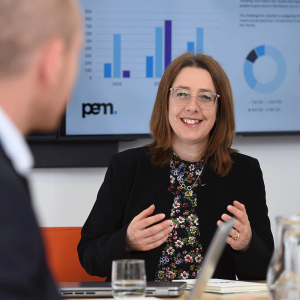
Lisa is a Grants Manager within our Grants Audit team, specialising in auditing grants funded by major UK and international bodies, including Innovate UK, Horizon Europe, DEFRA, and ARIA. These funders support cutting-edge research, innovation, and sustainability projects, and Lisa ensures compliance with their specific regulations and funding terms.